
Project Overview
The "TwoSevenFive" project focused on a critical research question: How can we effectively connect the vibrant and diverse communities of South Auckland to a central digital platform or website? South Auckland, while culturally rich and possessing significant untapped potential, faces challenges related to digital inclusion and historical socioeconomic disadvantages. This research initiative aimed to understand the unique context of South Auckland, identify barriers to digital engagement, and lay the groundwork for developing effective strategies (like marketing funnels) to bridge the digital divide and foster online community connection.
Client
twosevenfive (Internal Research)
Timeline
Approx. 6 months (Research Phase)
My Role
Lead Research Consultant
Website
The STAR Approach
Situation: Understanding South Auckland's Digital Landscape
The project began by acknowledging the unique situation in South Auckland. It's a large, diverse region comprising a significant portion of Auckland's population, yet often misrepresented and facing real socioeconomic hurdles. Key situational factors included:
- A large population (over 460,000) with a significant Māori and Pasifika demographic.
- Historical socioeconomic disadvantages and lower income levels compared to the Auckland average.
- Negative external perceptions contrasting with internal vibrancy and creativity.
- Potential barriers to digital access and literacy, despite high mobile phone usage.
- A lack of tailored digital strategies to effectively reach and engage these communities.
The core challenge was framed by the initial research question: How do we effectively funnel South Auckland residents to the website, overcoming existing barriers and negative perceptions?

Task: Laying the Foundation Through Research
As the Lead Research Consultant, my primary task was to conduct in-depth research to inform the development of effective digital engagement strategies. This involved:
- Deeply understanding the demographics, culture, history, and socioeconomic context of South Auckland.
- Identifying specific barriers (digital, cultural, economic) preventing engagement with online platforms.
- Analyzing existing digital behaviors and preferences within the community.
- Gathering insights to inform the design of culturally appropriate and effective marketing funnels and website features.
- Providing actionable recommendations based on robust data and community insights.
The ultimate goal of this research phase was to provide the necessary intelligence to build a successful digital bridge to South Auckland communities.
Action: A Multi-faceted Research Approach
A comprehensive research methodology was employed, focusing on gathering both quantitative and qualitative data:
1. Defining the Scope: Funnel & Problem Definition
The research began by clearly defining the concepts of digital funnels and articulating the specific problems faced in engaging South Auckland online. This involved breaking down the user journey and identifying potential points of friction or disengagement.
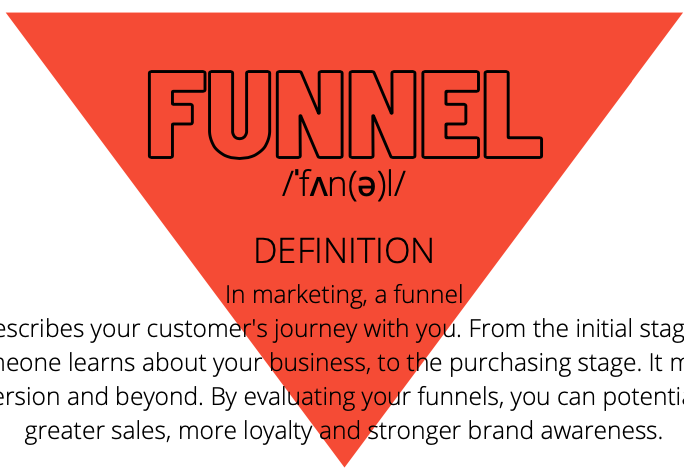
Figure 2: Focusing on the 'Funnel' concept (Click to view full PDF)

Figure 3: Defining the core problem (Click to view full PDF)
2. Contextual Understanding: South Auckland Deep Dive
Extensive secondary research was conducted to understand the specific context of South Auckland, including its geography, demographics, history, and socioeconomic indicators. This provided a crucial backdrop for interpreting primary research findings.

Figure 4: Focusing the research on the South Auckland context (Click to view full PDF)
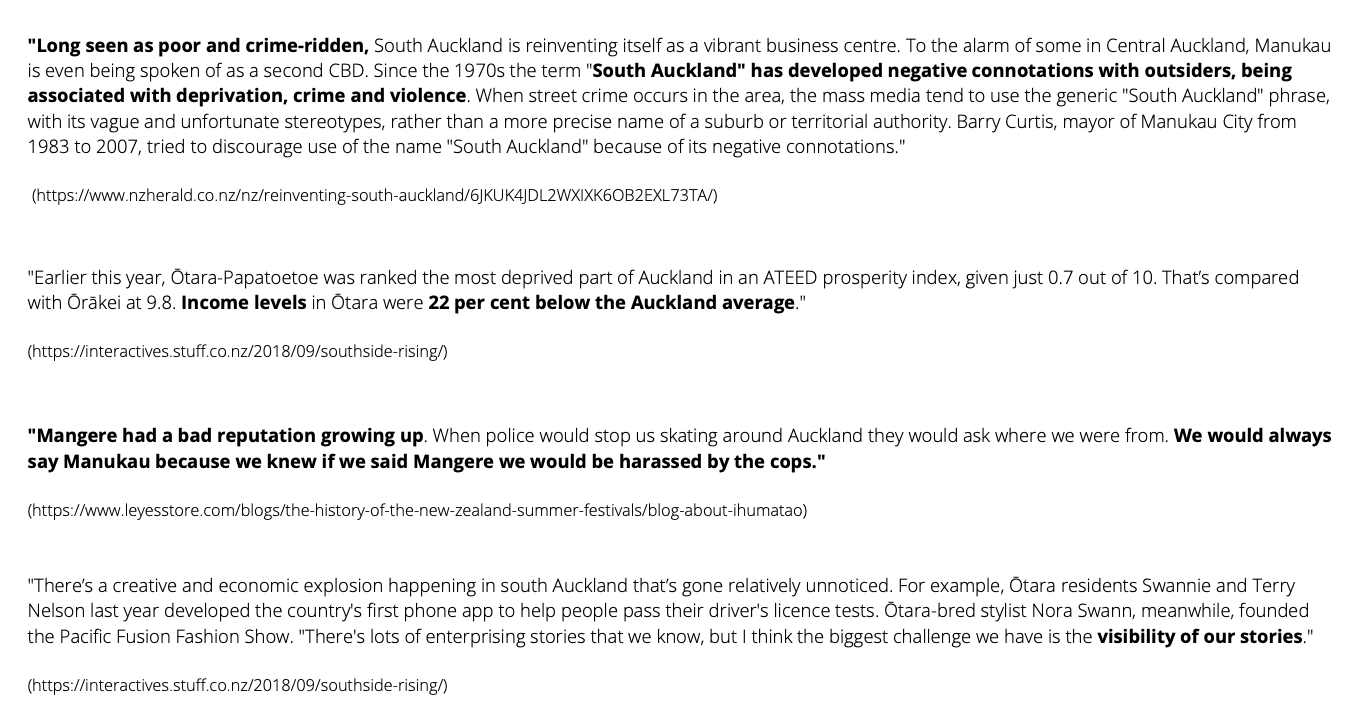
Figure 5: Example research slide detailing South Auckland context (Click to view full PDF)
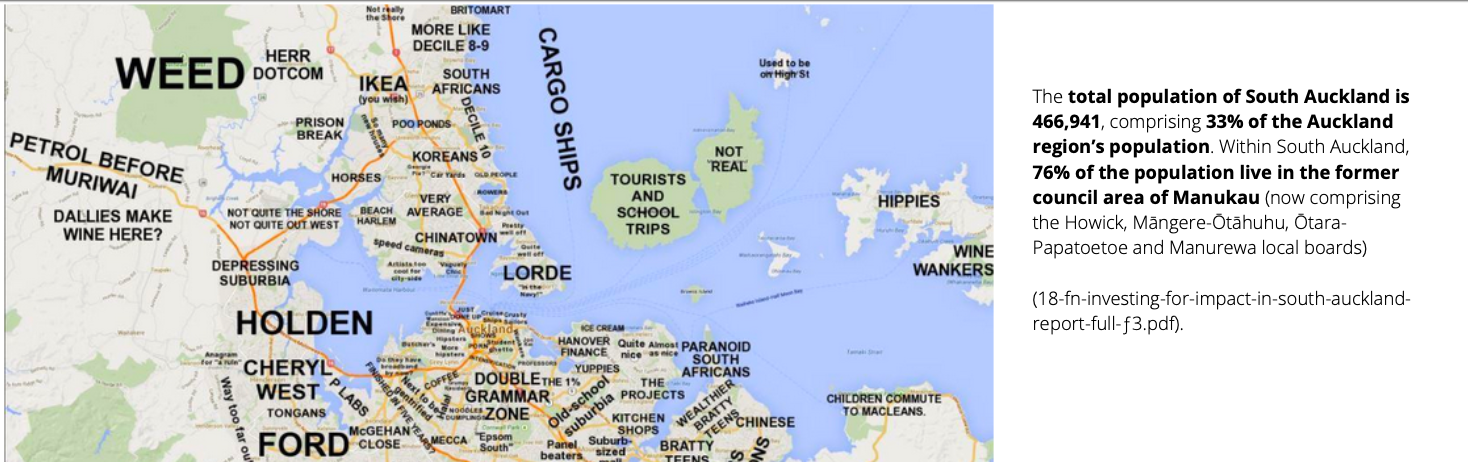
Figure 5: Example research slide detailing South Auckland context (Click to view full PDF)
3. Data Gathering & Analysis: Statistics and Insights
Quantitative data, including population statistics, digital access metrics, and socioeconomic indicators, were gathered and analyzed. This was complemented by qualitative research methods like community interviews and focus groups (planned actions based on research direction) to understand the 'why' behind the numbers.

Figure 6: Analyzing statistical data related to South Auckland (Click to view full PDF)
The research synthesized these diverse data points to create a holistic picture of the challenges and opportunities for digital engagement in South Auckland.
Result: Actionable Insights for Digital Strategy
The research phase yielded critical insights and actionable recommendations (Note: Specific results depend on the full research findings, but likely outcomes include):
- A clear understanding of the primary barriers to digital engagement (e.g., cost, access, literacy, trust, relevance).
- Identification of key community hubs and influencers for potential partnerships.
- Validated user personas representing diverse segments within South Auckland.
- Recommendations for culturally appropriate messaging and content strategies.
- Data-driven insights to inform the design of a tailored marketing funnel and website features.
- A baseline understanding of current digital engagement levels for future measurement.
This foundational research provided the essential knowledge base for the subsequent design and implementation phases of the TwoSevenFive project, ensuring that future strategies would be grounded in the realities and needs of the South Auckland community, significantly increasing the likelihood of successful digital engagement.